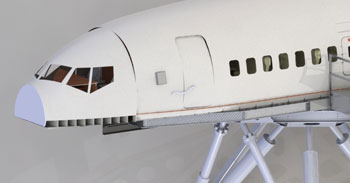
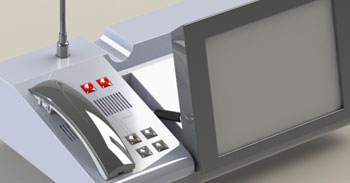
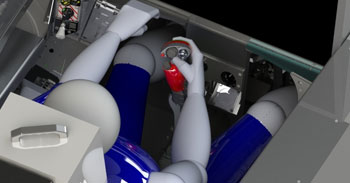
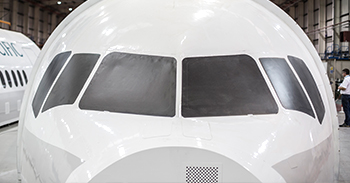
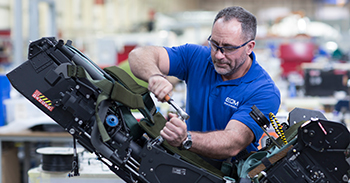
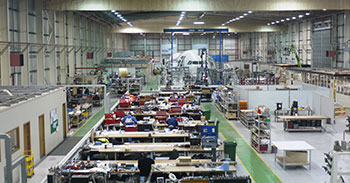
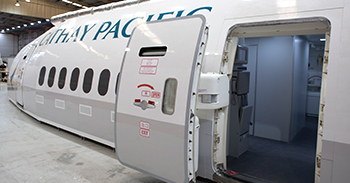
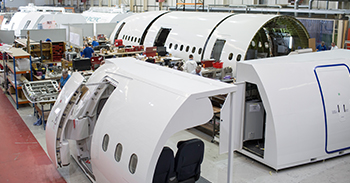
EDM’s full mission simulators combine learning with performance-based training, allowing customers to measure training effectiveness and focus on improving performance.
EDM can design, develop and deliver all types of simulators, including:
• Full Mission Simulators (FMS)
• Flight Training Devices (FTD)
• Flight Procedures Trainers (FPT)
• Part Task Trainers (PTT)
Typical simulator aircraft system features key elements include:
• High fidelity cockpit or flight deck
• Fully functional instruments, displays and controls
• Fully replicated flying controls, including control loading
• High speed integrated data network
• Outside world visual display system (virtual reality)
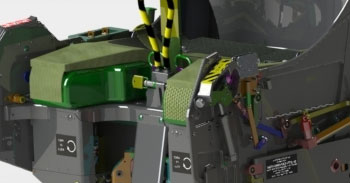
Our Full Mission Simulators, Flight Training Devices and Flight Procedures Trainers can include a multi-axis G-cueing seat, as well as a multi-channel control loading system. Pilot breathing air and G-suit systems can be incorporated and the cockpits can be compatible with night vision goggles (NVG). The fidelity and functionality of the simulators can be precisely matched to meet exact training requirements.
With these advanced aviation training devices, flight instructors can prepare both general and advanced flight simulation exercises that can help users engage better with various mission rehearsals that help numerous skills being learned.
Aircraft types and clients
Platforms have been developed to cover F35 (f-35 full mission simulator), which helps promote F-35 training.
Load trainers have been developed lockheed martin in the past to help improve high performance load setups into aircrafts.
Full flight simulators have been done for BAE systems for the eurofighter typhoon and Hawk.
After-Sales Service and Support
With our advanced simulator lineup, we have revolutionised the way in which we manufacture bespoke solutions which are tailored to our clients for these trainers.
We understand the concerns raised by our clients with after sales service and customer care with the lifespan of these products, which is why our team has set up a comprehensive team that will help guide our clients from start to finish.
Our dedicated team of fully trained and qualified support engineers are able to help address any major concerns our clients may have.
To contact one of our after-sales teams, click right here to access our support page where you will be redirected to a secure page where you can send us a message.
Call +44 (0) 161 203 3150
or please complete this contact form